
From 7 April 2026, a new government body, the Fair Work Agency (FWA), came into force as part of the Employment Rights Act 2025.
The FWA will bring together three existing enforcement bodies into a single organisation:
- The Gangmasters and Labour Abuse Authority
- The Employment Agency Standards Inspectorate
- HMRC’s National Minimum Wage enforcement team
By consolidating these functions, the government aims to create a more streamlined and effective approach to enforcing employment rights, with the expectation that the Agency’s remit will expand over time.
What is the purpose of the Fair Work Agency?
The primary aim of the Fair Work Agency is to provide a single, central point of contact for both workers and employers. By operating under one unified structure, the Agency is intended to improve efficiency, consistency, and accountability in how employment rights are enforced.
Importantly, the FWA is not only focused on enforcement. It will also take a proactive approach by supporting employers who are trying to comply with the law. However, where businesses fail to meet their obligations, the Agency will have significant powers to investigate and take action.
This dual approach is designed to raise standards and ensure a level playing field for businesses that are already operating compliantly.
What employment rights will the Agency enforce?
The Fair Work Agency will oversee a broad range of employment rights, including:
- National Minimum Wage compliance
- Holiday pay
- Agency worker protections
- Gangmaster licensing
It will have the authority to investigate potential breaches, issue civil penalties, and take enforcement action where necessary. It will also be able to carry out workplace inspections, require access to records, and interview workers.
Over time, it is expected that the FWA’s role will expand further, making it a key regulator in the employment law landscape. This means employers will need to be prepared for increased oversight and a more joined-up approach to enforcement.
Which sectors are most likely to be affected?
While the Agency will have wide-ranging powers across all sectors, it is expected to focus its efforts on industries where there is a higher risk of worker exploitation.
Sectors such as construction and social care are likely to come under particular scrutiny, alongside any area where there are concerns around modern slavery, underpayment, or unlawful working practices.
By targeting higher-risk industries, the Agency aims to strengthen worker protections while improving transparency and accountability across the labour market.
What are the potential penalties?
The consequences of non-compliance could be significant. Depending on the nature and severity of any breach, employers may face substantial financial penalties.
In addition, the Fair Work Agency will have the power to publicly name businesses that fail to comply with employment laws. This can have a serious impact on a company’s reputation, as well as its relationships with clients, suppliers, and employees.
What steps should employers take now?
For many employers, breaches of employment law are not always deliberate. However, the introduction of the Fair Work Agency means there will be greater scrutiny and less room for error.
It is therefore important to take proactive steps now. This includes reviewing your existing policies and procedures, ensuring they are up to date, and checking that your business is fully compliant with current and upcoming legal requirements.
Seeking legal advice at an early stage can help identify any potential risks and avoid costly mistakes later on.
How Backhouse can help
If you would like advice on how the introduction of the Fair Work Agency may affect your business, or support in reviewing your employment practices, our experienced Employment Law team is here to help.
Tel: 01245 893400 | 01702 410880
Email: info@backhouse-solicitors.co.uk
Visit our Chelmsford office: 17 Duke Street, Chelmsford, Essex, CM1 1JU
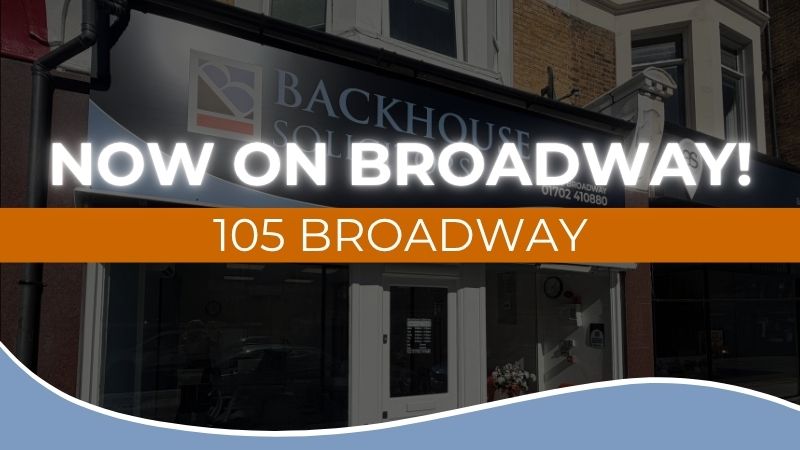
Visit our Leigh-on-Sea office: 105 Broadway, Leigh-on-Sea, Essex, SS9 1PG
Or send us a message through the Contact Us page on this website