
Small businesses across the UK have experienced significant challenges caused by delayed payments. On 19th May 2026, the Government introduced a new Bill in the House of Lords aimed at tackling late payments and improving cash flow for small businesses and suppliers.
Late payments not only affect businesses but also have a larger economic impact, with the UK economy losing £11 billion every year. The new legislation aims to strengthen enforcement against poor payment practices, particularly by larger organisations and ease the cost-of-living burden for small businesses.
What the new legislation introduces:
If the Bill is passed and receives Royal Assent, it is expected to come into force in 2027. The Bill introduces four main reforms:
- 60-day payment cap – large businesses will generally be prevented from imposing payment terms longer than 60 days when dealing with smaller suppliers (there will be strictly limited exemptions).
- Mandatory statutory interest – late payments will incur mandatory interest at 8% above the Bank of England base rate, making it harder to avoid the financial consequences of paying late.
- Stronger enforcement – the Small Business Commissioner will be able to investigate poor payment practices, adjudicate disputes and take enforcement action against persistent offenders.
- Greater transparency – persistently late-paying large companies will have to explain their payment performance and set out what they are doing to improve it.
In practical terms, the legislation is aimed at stopping larger organisations from using long payment terms and delayed invoice disputes to put pressure on smaller suppliers. It strengthens the existing late-payment regime by making key protections harder to contract out of and by giving the Small Business Commissioner a more active enforcement role. The reforms are intended to improve cash flow, reduce time spent chasing invoices and create stronger consequences for businesses that repeatedly pay late.
Benefits for small businesses:
For small businesses, the main benefit of the legislation is greater certainty over when invoices should be paid and what remedies are available if payment is delayed. This should help improve cash flow, reduce the time and cost spent chasing overdue invoices, and make it easier to plan for wages, rent, tax liabilities and supplier payments. It may also reduce the need for short-term borrowing caused by delayed customer payments and give smaller businesses stronger leverage when dealing with larger organisations that have historically imposed long payment terms or raised disputes late in the payment cycle.
How our team can help
As with any payment dispute, taking legal advice at an early stage can make a significant difference to the outcome. If your business is facing delayed payment, it is important to understand what options are available and the most effective way to recover what you are owed.
Our team can advise on your rights under the new late-payment rules, assess the strength of your position and help you decide on the best course of action, whether that involves early negotiation, a formal demand, court proceedings or enforcement action. Contact our team of experts to book a free 30-minute consultation.
Tel: 01245 893400 | 01702 410880
Email: info@backhouse-solicitors.co.uk
Visit our Chelmsford office: 17 Duke Street, Chelmsford, Essex, CM1 1JU
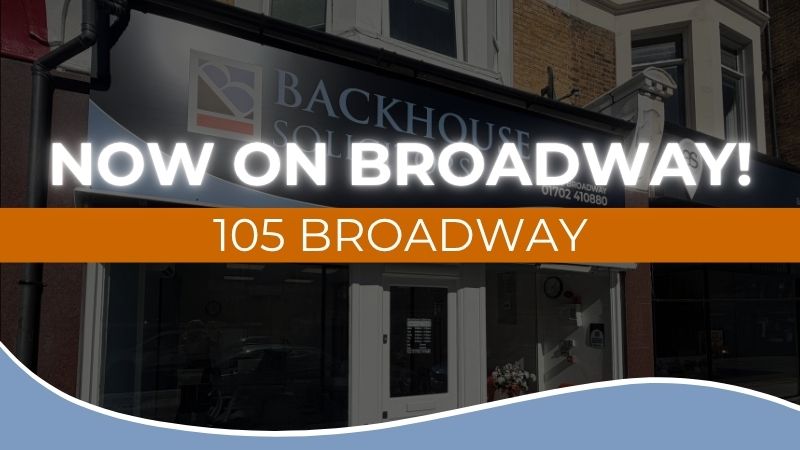
Visit our Leigh-on-Sea office: 105 Broadway, Leigh-on-Sea, Essex, SS9 1PG
Or send us a message through the Contact Us page on this website